
Exploring the Creative Process of 3D Animation
- Sam Williams
- Nov 4, 2025
- 4 min read
The world of 3D animation is a fascinating blend of art and technology. It brings ideas to life by creating three-dimensional moving images that can tell stories, explain concepts, or entertain audiences. Understanding the creative process behind 3D animation reveals the complexity and skill involved in producing these captivating visuals. This article will guide you through the essential stages of 3D animation, offering practical insights and examples to help you appreciate the craft.
Understanding the Basics of 3D Animation
3D animation involves creating characters, objects, and environments in a digital three-dimensional space. Unlike traditional 2D animation, which relies on flat images, 3D animation adds depth, making scenes more realistic and immersive.
The process starts with modelling, where artists build the shapes and structures of characters or objects using specialised software. This is followed by texturing, which adds colours, patterns, and surface details to the models. After that, rigging is done to create a digital skeleton that allows the model to move. Finally, animators bring the rigged models to life by defining their movements and expressions.
For example, in a 3D animated film, a character’s walk cycle is carefully crafted by adjusting the rig to simulate natural motion. This requires a deep understanding of anatomy and physics to make the animation believable.

The Role of Storytelling in 3D Animation
Storytelling is at the heart of every successful 3D animation project. The animation must communicate a clear message or narrative that engages the audience. This begins with a strong script or concept that outlines the story’s key points.
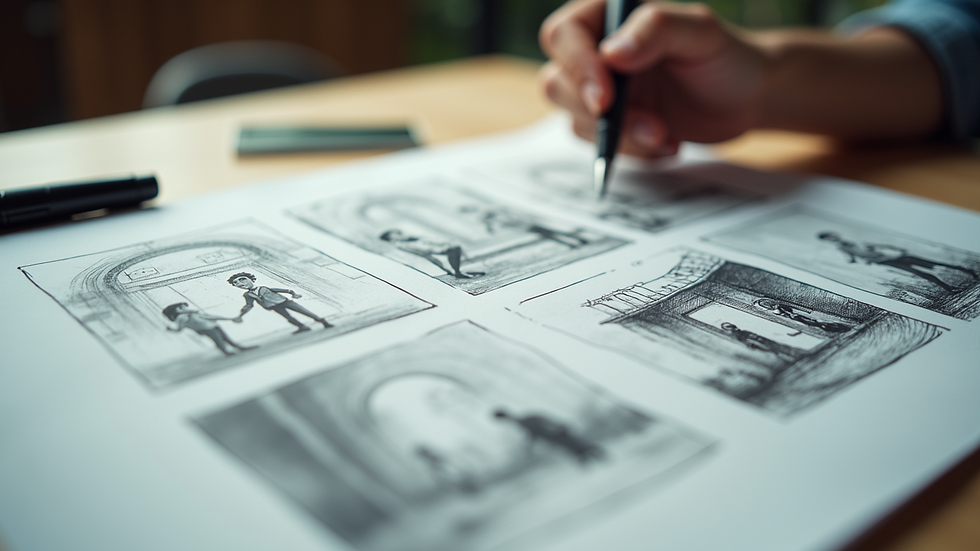
Once the story is defined, storyboard artists create a visual plan by sketching scenes in sequence. This helps the team visualise the flow and timing of the animation. Storyboards act as a blueprint, ensuring everyone involved understands the creative direction.
During the animation phase, timing and pacing are crucial. Animators use keyframes to mark important positions or poses, then fill in the frames between to create smooth motion. For example, a dramatic scene might use slow, deliberate movements to build tension, while a comedic sequence could feature quick, exaggerated actions.
Incorporating sound effects, voiceovers, and music further enhances the storytelling, making the animation more immersive and emotionally impactful.
How much do 30 seconds of 3D animation cost?
The cost of producing 30 seconds of 3D animation can vary widely depending on several factors. These include the complexity of the models, the level of detail in textures, the number of characters, and the quality of the animation. Additionally, whether the project requires custom designs or uses pre-made assets affects the price.
On average, a simple 30-second 3D animation might cost between £3,000 and £10,000. More complex projects with high-end visual effects, detailed characters, and intricate environments can exceed £20,000.
It is important to consider that investing in quality animation often results in better engagement and a stronger return on investment. Working with experienced studios or providers of custom 3d animation services can help ensure the final product meets your expectations and budget.
Tools and Software Used in 3D Animation
The creative process of 3D animation relies heavily on specialised software tools. Some of the most popular programs include:
Autodesk Maya: Widely used for modelling, rigging, and animation, Maya offers powerful features for professional animators.
Blender: An open-source alternative that provides a comprehensive suite of tools for 3D creation, including sculpting, texturing, and rendering.
Cinema 4D: Known for its user-friendly interface and motion graphics capabilities.
ZBrush: Primarily used for detailed sculpting and creating high-resolution models.
Each tool serves a specific purpose in the pipeline. For example, an artist might use ZBrush to sculpt a highly detailed character, then import it into Maya for rigging and animation.
Rendering is another critical step, where the 3D scene is converted into a final image or video. This process can be time-consuming, especially for complex scenes with realistic lighting and shadows.

Tips for Creating Effective 3D Animations
Creating compelling 3D animations requires both technical skill and creative vision. Here are some practical tips to enhance your animation projects:
Plan Thoroughly: Start with a clear concept and detailed storyboard. This saves time and reduces revisions later.
Focus on Realism and Appeal: Study real-world movements and anatomy to make animations believable. At the same time, exaggerate features when appropriate to add character and style.
Use Reference Material: Collect videos, photos, and sketches to guide your modelling and animation.
Keep It Simple: Avoid overcomplicating scenes. Clean, clear visuals often communicate ideas more effectively.
Test and Iterate: Regularly review your work and seek feedback. Small adjustments can significantly improve the final result.
Optimize for Performance: Especially for animations used in games or online, ensure models and textures are efficient to avoid slow loading times.
By following these guidelines, animators can create engaging and polished 3D animations that resonate with their audience.
The Future of 3D Animation
The field of 3D animation continues to evolve rapidly with advances in technology. Artificial intelligence and machine learning are beginning to assist animators by automating repetitive tasks and enhancing motion capture accuracy.
Virtual reality (VR) and augmented reality (AR) are also expanding the possibilities for immersive storytelling. Animators can now create interactive 3D experiences that allow users to explore environments and narratives in new ways.
Moreover, cloud-based rendering and collaboration tools enable teams to work together seamlessly from different locations, speeding up production timelines.
As these innovations develop, the demand for skilled animators and high-quality 3D animation content is expected to grow, making it an exciting time to explore this creative field.
Exploring the creative process of 3D animation reveals a dynamic blend of artistry and technology. From initial concept to final render, each step requires careful planning, technical expertise, and creative insight. Whether you are a beginner or a professional, understanding these stages can help you appreciate the effort behind every frame and inspire you to create your own stunning animations.


Comments